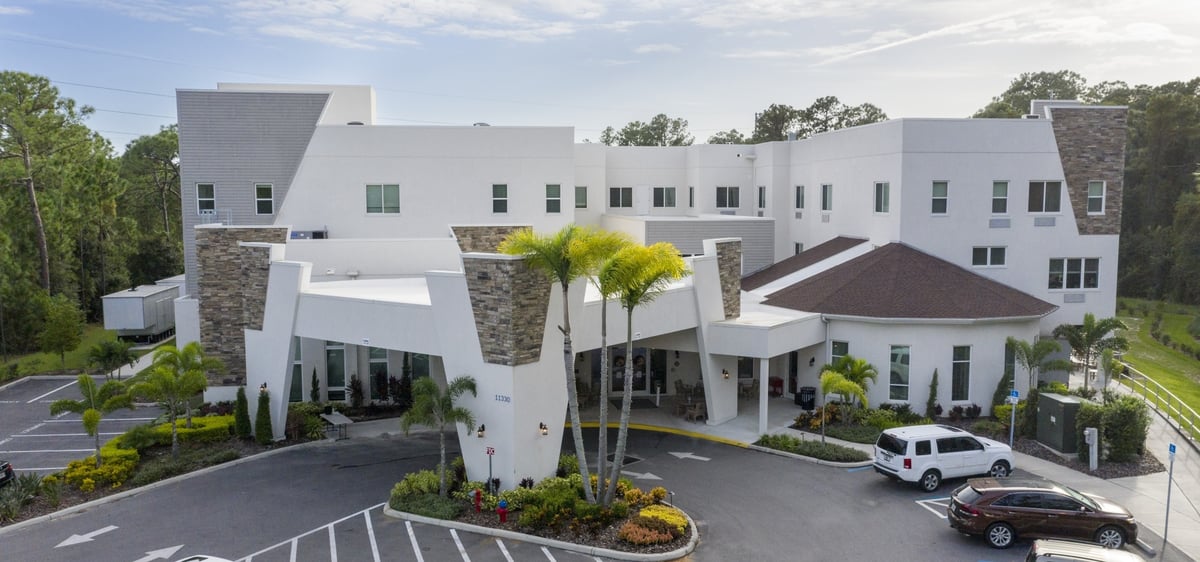

Many questions arise when given a memory care option, questions about the average length of stay in memory care are common. Every person’s experience is different, but understanding common residency patterns can help families plan with more realistic expectations. At Discovery Village Westchase in Tampa, Florida, residents receive personalized support that can adjust as their needs, preferences, and abilities change.
Some residents may need memory support for one or two years, while others may remain in a community for five years or longer. Rather than treating one number as a prediction, families can consider the personal and health-related factors that shape each resident’s experience.
Understanding Memory Care Duration Expectations
The typical memory care residency length often relates to the stage of dementia when a person moves into the community. Someone who transitions during an earlier stage may remain longer than a person who moves after cognitive or physical symptoms have progressed.
An earlier move can also give a resident time to become familiar with the community, develop comforting routines, and build relationships with team members and neighbors. Over time, familiar surroundings and consistent faces may help daily life feel more recognizable.
Several factors can influence a memory care stay timeline:
The type and stage of dementia at move-in
The resident’s age and overall physical health
Other health conditions affecting daily well-being
The pace at which cognitive or physical needs change
Ongoing communication and collaboration with family members
Because these factors vary widely, no community can predict how long people live in memory care based on an average alone.
How a Dementia Diagnosis May Affect Residency
Alzheimer’s disease, vascular dementia, Lewy body dementia, and frontotemporal dementia may progress in different ways. Even two people with the same diagnosis can experience different symptoms and rates of change.
A resident’s health at move-in also matters. A person with fewer physical complications may have a different experience than someone managing several ongoing conditions. Age may also affect the timeline, particularly for people living with younger-onset dementia.
Families should view memory care duration expectations as planning guidelines rather than fixed outcomes. Regular conversations with medical professionals and community team members can help families understand changing needs and make informed decisions.
Personalized Support Through SHINE® Memory Care
A community cannot control the progression of dementia or promise a specific residency length. However, consistent and personalized support can make daily life more comfortable, familiar, and meaningful.
Discovery Village Westchase offers SHINE® Memory Care, an Alzheimer’s Association-recognized curriculum grounded in science-based practices, specialized training, and person-centered support.
Team members learn about each resident’s history, preferences, routines, and interests. These details help create daily experiences that honor the person behind the diagnosis.
The six foundational pillars of SHINE® Memory Care include:
Resident customization based on personal history and preferences
Restaurant-style dining adapted to individual abilities
Meaningful engagement that supports connection and purpose
Family collaboration throughout the resident’s journey
Specialized team training and continued education
Environmental support using defined spaces and sensory cues
The program may incorporate music, art, physical movement, hands-on tasks, social connection, and quiet moments based on each resident’s comfort and interests.
Hospitality and Daily Life in Tampa
Discovery Village Westchase offers Assisted Living and SHINE® Memory Care in Tampa’s Westchase neighborhood. Residents can choose from memory care suites, one-bedroom apartments, and two-bedroom apartments, allowing families to explore an option that aligns with their loved one’s preferences.
The community’s hospitality-focused senior living programs support comfortable daily routines. Sensations Dining provides chef-prepared meals in a restaurant-style setting, while Expressions Concierge helps with requests, reservations, and other practical needs.
Residents may also benefit from Dimensions wellness programming, Celebrations events, Impressions Housekeeping and Maintenance, and Connections scheduled transportation. Inviting shared spaces and landscaped outdoor areas offer additional places for residents to enjoy meals, conversation, or quiet time.
Planning for a Multiyear Stay
Financial preparation may feel more manageable when families consider several possible timelines instead of relying on one estimate. Reviewing expenses early can also help families compare services and understand what is included in monthly pricing.
Helpful planning steps include:
Reviewing savings and possible long-term expenses
Checking long-term care insurance coverage
Researching veterans benefits and other available resources
Asking how pricing may change as support needs evolve
Gathering financial and insurance documents early
Families can also review available floor plans and pricing and speak with a community representative about apartment choices, monthly costs, and included services.
Planning for both shorter and longer timelines give families more flexibility as circumstances change.
Focusing on Quality of Life, not a Deadline
Questions about life expectancy in memory care are understandable, but the quality of each day deserves equal attention. A supportive environment can help residents feel recognized, secure, and connected while allowing family members to focus more fully on their relationship.
Visits may center on a shared meal, favorite music, family photos, conversation, or simply spending quiet time together. Family members can be more present instead of using every visit to coordinate household responsibilities and daily support.
At Discovery Village Westchase, familiar routines, family collaboration, thoughtful dining, sensory support, and personalized engagement help create meaningful moments throughout each resident’s journey.
Frequently Asked Questions About Memory Care Residency
What Is the Typical Memory Care Residency Length?
There is no universal timeline. A stay may last one or two years for some residents and several years for others, depending on health, age, diagnosis, and changing support needs.
Does Moving Earlier Affect the Length of Stay?
A person who moves during an earlier stage of dementia may remain in the community longer. An earlier transition may also provide more time to become comfortable with the setting and daily routines.
Can a Community Predict Life Expectancy in Memory Care?
No. Averages may help with general planning, but they cannot predict an individual resident’s health progression or length of residency.
What Should Families Ask About Costs?
Families should ask what services are included, how pricing is structured, and whether costs may change as a resident’s support needs evolve.
Learn More About SHINE® Memory Care
Every memory support journey is personal, and an average cannot tell the full story of one individual. Schedule a tour of Discovery Village Westchase to meet the team, explore SHINE® Memory Care, and discuss what personalized support could look like for your loved one in Tampa, Florida.