
A fall might take seconds, but the fallout can last years. For families weighing the cost of senior falls at home against the cost of a senior living community, the monthly rent is often just one piece of a much bigger financial picture. Once you factor in medical bills, home modifications, and the financial impact of falls in seniors, the numbers tell a different story than most families expect.
Here's what Tampa families should know before deciding between aging in place and assisted living.
The Financial Impact of Falls in Older Adults
A fall serious enough to cause a hip fracture can generate immediate medical bills around $40,000 for surgery, hospitalization, and the first stretch of recovery. And that's just the starting point.
Recovery often stretches on for months, with physical therapy, home modifications, and extra support layered on top of the hospital stay. Many Tampa families end up hiring private caregivers at $25 to $35 an hour to help at home, and those costs add up fast. A few months of part-time home care can easily outpace a full year of assisted living. Add in ongoing therapy, prescriptions, and mobility aids, and the fall-related expenses for older adults keep climbing long after the cast comes off.
The Hidden Safety Costs of Aging in Place
After a fall at home, families often discover a long list of costs they didn't plan for. Making a home safer usually means:
- Grab bars and handrails throughout the house
- Wheelchair ramps for safe entry and exit
- Stair lifts for multi-level homes
- Bathroom renovations with walk-in showers and raised toilets
These updates can cost up to $50,000, depending on the home's layout and what needs to change.
Then there's transportation. Once driving isn't safe anymore, getting to appointments, the grocery store, or a friend's house means relying on a family member's time or paid rides. Many adult children end up cutting back their hours at work, or leaving their jobs altogether, to help. Add in the emotional weight of worry and stress, and the safety costs for aging in place go well beyond a checkbook.
Preventing Falls in Assisted Living vs. Home
The difference often comes down to design and attention. Communities built for assisted living keep fall prevention in mind, which includes:
- Wide hallways and doorways that accommodate walkers and wheelchairs
- Lighting throughout, including motion-sensor night lights
- Non-slip flooring in common areas and apartment homes
- Walk-in showers and accessible bathrooms
- Associates trained in mobility support and fall prevention
At home, hazards tend to build up gradually: area rugs, cluttered walkways, dim hallways, uneven thresholds. Home modifications help, but they can't replace the kind of round-the-clock attention that's standard in assisted living. Research backs this up: comprehensive fall prevention programs in assisted living communities are linked to fewer falls and less severe injuries compared with aging at home. It's one of the clearest fall prevention and assisted living benefits families discover once they make the move.
Comparing the Full Cost: Aging in Place vs. Assisted Living
Add it all up, and safety costs for aging in place often catch families off guard. Monthly expenses for staying home safely can include:
- In-home care from a private caregiver or agency
- Emergency response systems and wellness check devices
- Meal delivery or grocery services
- Housekeeping and home maintenance
- Transportation to appointments and errands
Assisted living, by contrast, wraps meals, housekeeping, medication management, and wellness programs into one predictable monthly fee. That predictability makes budgeting easier and removes the guesswork from fall-related expenses for older adults. Many Tampa communities also offer fitness and social programs that build strength and balance, helping lower fall risk in the first place rather than just responding after one happens.
Planning Ahead Pays Off
Families who look at their options before a fall happens, rather than after, tend to have an easier time. Researching communities, understanding pricing, and talking through preferences takes time, and that's easier without a hospital deadline hanging over the decision. Many Tampa families find that making the move before mobility becomes a daily struggle leads to better outcomes and fewer surprise expenses down the road.
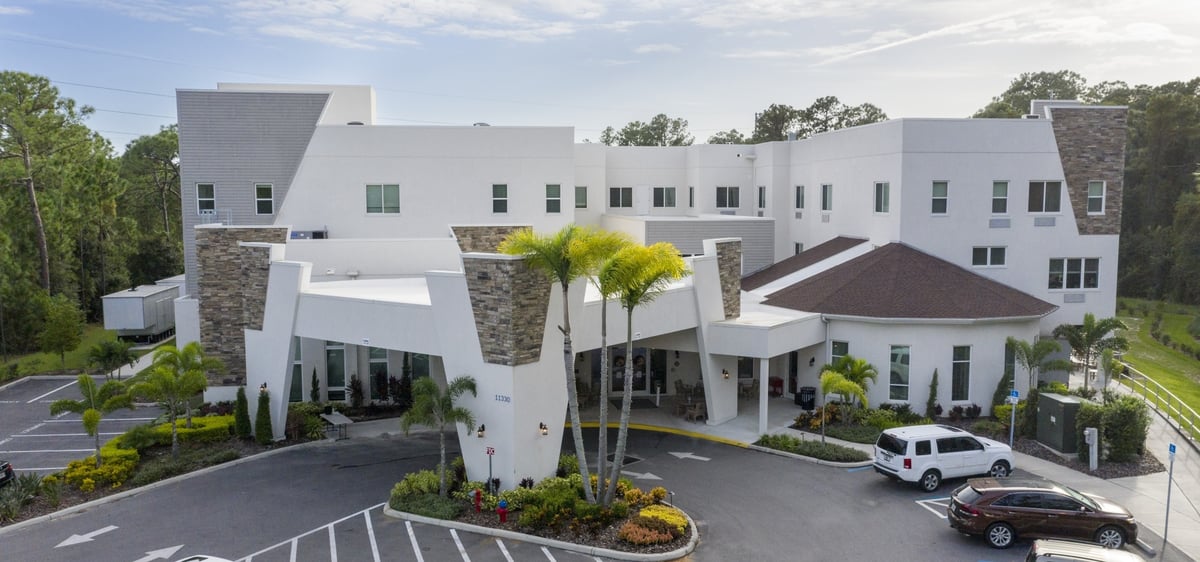
Weighing the cost of senior falls at home against the value of a supportive community helps families plan with confidence instead of reacting to a crisis. At Discovery Village Westchase, residents enjoy chef-prepared dining, a resort-style pool and butterfly garden walking paths, a full calendar of social and wellness programs, and scheduled transportation, plus our specialized SHINE® Memory Care program for those who need it. It's meant to give families real peace of mind, not just a safer address.
Schedule a tour today and see how Discovery Village Westchase can help your family plan ahead, safely and confidently.