
When a person living with dementia refuses help, families often feel confused, hurt, and concerned for their loved one’s safety. A loved one with dementia says no to care for many reasons, and the behavior is often more complex than it appears in the moment.
Dementia resident refusing care is rarely about being difficult. Cognitive changes can affect how a person understands their surroundings, recognizes others, processes requests, and protects their sense of control. With patience and the right approach, these moments can become opportunities for reassurance and connection.
Why People Living with Dementia Resist Help
A person with dementia won’t accept help when the request feels confusing, rushed, embarrassing, or unnecessary from their point of view. They may not recognize the person offering support. They may believe they already bathed, changed clothes, or took medication. They may also feel overwhelmed by noise, bright lighting, or too many instructions at once.
Common reasons for refusal include:
Feeling embarrassed about personal tasks such as bathing, dressing, or grooming
Not recognizing the person offering support
Forgetting that help was already discussed or agreed upon
Feeling pain, fatigue, hunger, or discomfort
Wanting control over daily choices and familiar routines
This response is not defiance. It is often a way of communicating fear, confusion, discomfort, or a need for more time.
How Refusal Affects Families
Managing dementia care rejection can be emotionally exhausting. Families may feel rejected by the very person they are trying to protect. Basic routines such as bathing, meals, changing clothes, or taking medication can become daily struggles.
Over time, this stress can affect sleep, work, family relationships, and personal health. It can also create guilt. Many family members wonder whether they are saying the wrong thing or making the situation worse.
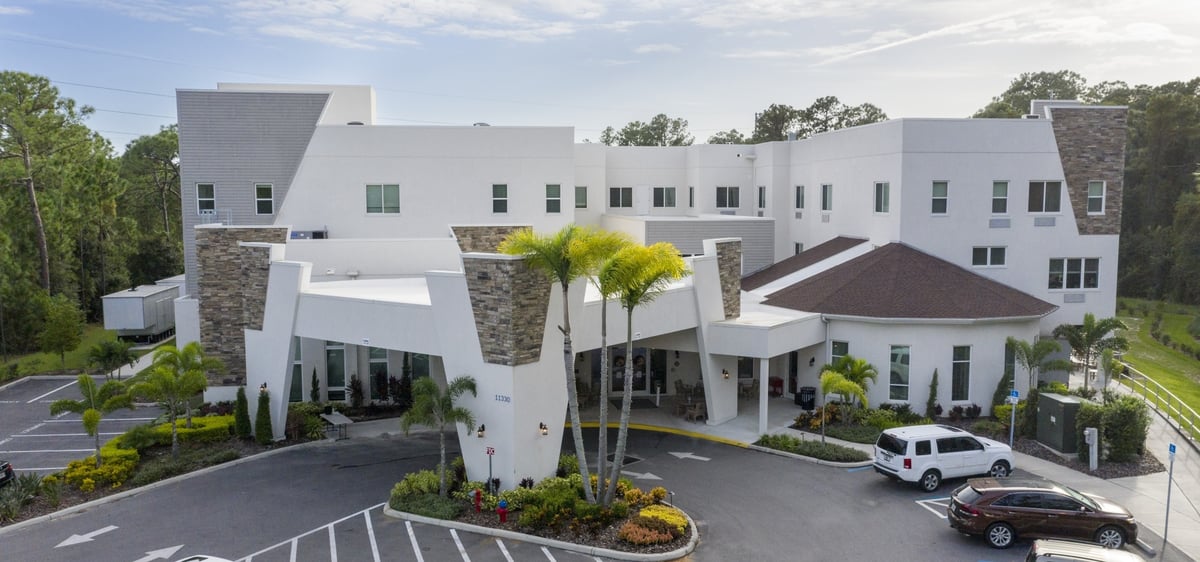
Recognizing when the situation has become too much is not failure. It is an important step toward finding the right support. SHINE® Memory Care at Discovery Village Westchase in Tampa, FL, offers a person-centered approach for residents living with Alzheimer’s disease and other forms of dementia, with team members trained to understand behavior as communication.
Communication Strategies That May Help
How to handle dementia care refusal often starts with slowing down. A rushed tone, too many words, or a direct demand can increase anxiety. A calm voice and simple choices can make the request feel less threatening.
Try these approaches:
Approach from the front and make eye contact before speaking
Use short, clear phrases instead of long explanations
Offer two acceptable choices, such as which shirt to wear
Step away and try again later if refusal becomes firm
Validate feelings rather than arguing about facts
Instead of saying, “You have to take a shower now,” try, “Let’s freshen up before lunch.” Small changes in wording can protect dignity and reduce conflict.
Create a Calmer Environment
The setting matters. A person living with dementia may refuse help when the room feels too bright, loud, unfamiliar, cold, or busy. Reducing distractions and keeping routines predictable can make daily support feel safer.
At Discovery Village Westchase, SHINE® Memory Care uses science and personalization to promote engagement, comprehension, and lifestyle quality for residents living with dementia. The community also offers Sensations dining, Dimensions Health & Fitness, Expressions concierge service, Impressions housekeeping and maintenance, and Connections transportation, helping create a supportive daily rhythm.
Families can also look for patterns. Does refusal happen more often in the evening? During bathing? Around mealtimes? When several people are talking at once? Noticing these patterns can guide better timing and a gentler approach.
When Memory Care Support May Be the Next Step
Dementia resistance to support can become harder to manage as needs change. If a loved one is refusing meals, hygiene, medication, or safety support, families may need a more structured setting.
SHINE® Memory Care at Discovery Village Westchase is nationally recognized by the Alzheimer’s Association® and focuses on personalized support, resident history, dining, communication, team member training, life enrichment, and neighborhood design. These elements help team members understand the individual behind the behavior and respond with patience.
Professional Memory Care can help when families notice:
Frequent refusal of bathing, grooming, meals, or medication support
Increased agitation, fear, suspicion, or confusion during daily routines
Safety concerns such as wandering, falls, or unsafe household choices
Family exhaustion from constant negotiation and worry
A need for more consistent structure and trained support
Discovery Village Westchase also offers Assisted Living, giving families the ability to explore more than one living option in the same Tampa community. Families can review SHINE® Memory Care and Senior Living Programs to better understand available support.
FAQ: Dementia Care Refusal
Why Does My Loved One With Dementia Say No to Care?
They may feel confused, embarrassed, afraid, overstimulated, or unsure why help is needed. Refusal is often a form of communication.
Should I Argue if They Refuse Help?
No. Arguing can increase distress. Step back, validate their feelings, and try again later with a calmer approach.
What if Refusal Creates a Safety Concern?
If refusal affects hygiene, medication, meals, hydration, or home safety, speak with a healthcare provider and consider whether Memory Care may be appropriate.
Can Memory Care Help with Refusal?
Yes. A Memory Care community with trained team members can use familiar routines, patient communication, and personalized support to reduce distress.
Finding Support in Tampa, FL
When a person living with dementia refuses help, the goal is not to win an argument. The goal is to understand what the behavior may be saying and respond in a way that preserves dignity.
Discovery Village Westchase in Tampa, FL, offers Assisted Living and SHINE® Memory Care in a welcoming community near Tampa Bay, with chef-prepared dining, wellness programming, housekeeping, transportation, and personalized Memory Care support for residents and families.
Learn About Memory Care Support at Discovery Village Westchase with a private tour today!